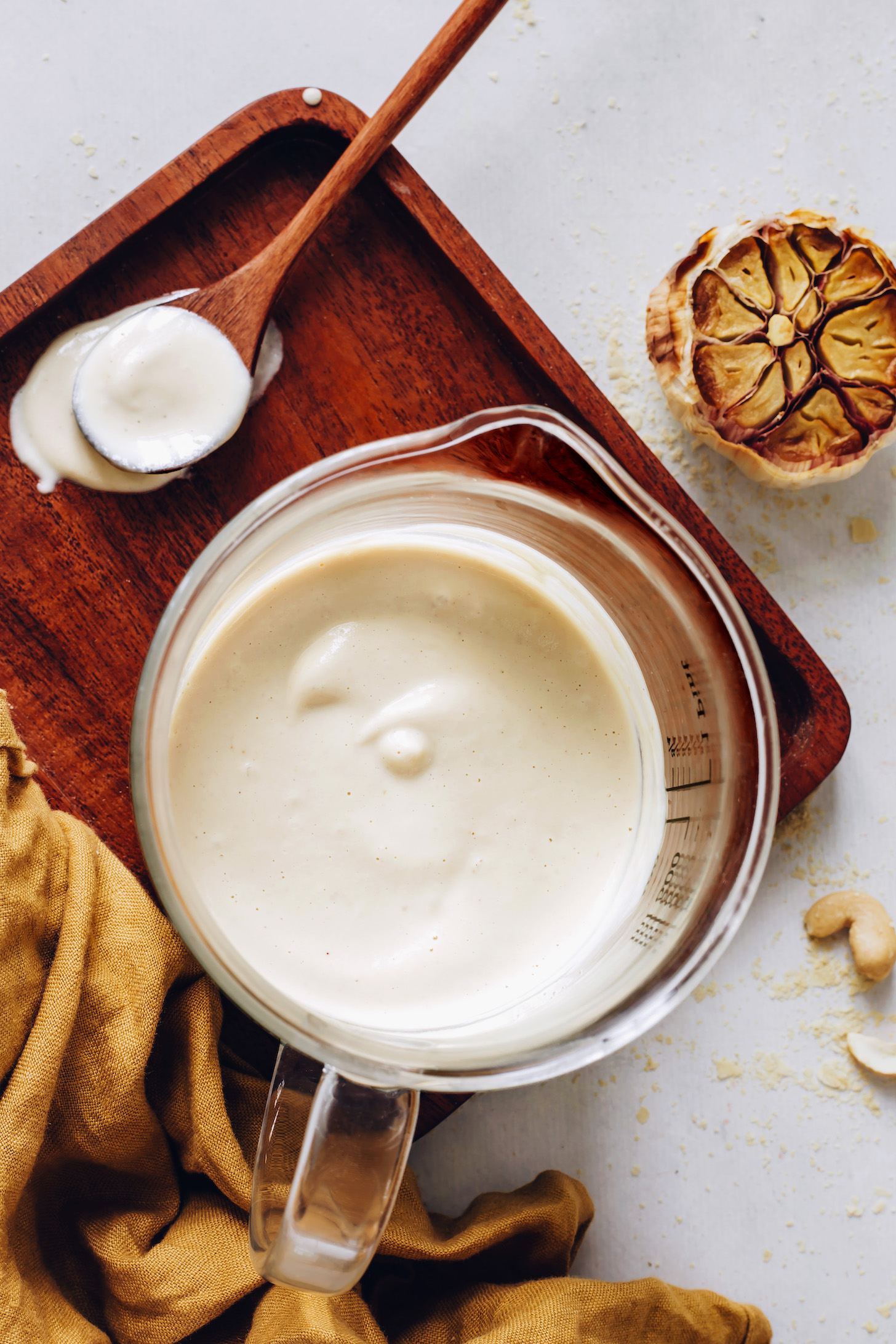
Quick Vegan Bechamel: Your Ultimate Dairy-Free Sauce for Everything
Imagine a velvety, rich, and utterly comforting white sauce that can transform a simple pasta dish into a gourmet meal, bind together the layers of a hearty lasagna, or crown a magnificent moussaka. Now, imagine doing all that without a single drop of dairy. Welcome to the world of
how to make bechamel vegan – a culinary game-changer that proves plant-based cooking can be just as decadent and versatile as its traditional counterpart.
This comprehensive guide will walk you through not one, but two incredible methods to create your perfect vegan bechamel. Whether you're seeking the classic simplicity of a roux-based sauce or the gourmet richness of a cashew and roasted garlic blend, we've got you covered. Get ready to elevate your cooking with a sauce that's not just dairy-free, but bursting with flavor and endless possibilities.
What is Vegan Bechamel and Why You Need It?
Bechamel sauce, often revered as one of the "mother sauces" of French cuisine, is traditionally a simple yet foundational white sauce made from a roux (cooked butter and flour) whisked with milk. It's the unsung hero behind countless creamy dishes, providing a neutral, thickening, and enriching base.
To "veganize" this classic, we simply swap out the animal-based ingredients for plant-powered alternatives. Butter is replaced with vegan butter-style sticks, and dairy milk makes way for a variety of delicious non-dairy milks. The result? A sauce that’s equally creamy, lusciously smooth, and incredibly versatile, but entirely dairy-free, cholesterol-free, and often more allergy-friendly.
You need vegan bechamel in your life because it opens up a world of culinary creativity for plant-based eaters and those with dairy sensitivities. It’s the secret ingredient for:
- Creamy pasta dishes, including an unforgettable mac 'n' cheese.
- Layering into rich lasagnas and gratins.
- Topping savory pies and casseroles.
- Forming the base for decadent cream soups or gravies.
- Enhancing vegetable dishes like creamed spinach or potato gratins.
This sauce isn't just a substitute; it's a delicious destination in itself, proving that dairy-free can mean more flavor, not less.
Mastering the Classic: How to Make Bechamel Vegan (Roux Method)
The roux method is the most traditional and often the quickest way to create a bechamel. It relies on cooking fat and flour together to form a thickening paste, then gradually incorporating liquid to create a smooth, creamy sauce. This technique is incredibly straightforward and takes less than 20 minutes from start to finish.
Essential Ingredients for the Roux Method
To embark on your roux-based vegan bechamel journey, gather these simple staples:
- Vegan butter-style sticks: Opt for sticks over tubs for a higher fat content and better consistency in your roux. Brands like Miyoko's Kitchen or Earth Balance sticks work wonderfully.
- All-purpose flour: The thickening agent for your roux.
- Unsweetened refrigerated soy milk: Soy milk is often recommended for its neutral flavor profile and protein content, which contributes to a rich, creamy texture similar to dairy milk. Other unsweetened non-dairy milks like oat or almond can also work, but be mindful of their flavor impact and slightly thinner consistency.
- Nutritional yeast: This flaky yellow seasoning is a vegan pantry hero, imparting a subtle cheesy, umami depth to the sauce without any dairy.
- Salt and freshly ground black pepper: Essential for seasoning to taste.
- Ground nutmeg: A classic spice in traditional bechamel, nutmeg adds a subtle warmth and aromatic complexity that elevates the sauce. Don't skip it!
Step-by-Step Guide to a Perfect Roux Bechamel
Creating this foundational sauce is simpler than you might think. Follow these steps for a lump-free, luscious vegan bechamel:
- Step 1: Create a Roux. In a small saucepan, melt your vegan butter over medium heat. Once melted, add the all-purpose flour. Whisk continuously for 1-2 minutes until a smooth paste (the roux) forms and gently cooks, removing the raw flour taste. It should resemble wet sand.
- Step 2: Gradually Whisk in Soy Milk. Slowly, a little at a time, begin whisking in the unsweetened soy milk. The key here is gradual addition and constant whisking to prevent lumps. Start with a small splash, whisk until smooth, then add more. Continue this process until all the soy milk is incorporated. Bring the mixture to a gentle boil, stirring constantly. You'll notice it beginning to thicken.
- Step 3: Season the Sauce. Remove the saucepan from the heat. Stir in the nutritional yeast, salt, black pepper, and ground nutmeg until everything is smoothly incorporated. Taste and adjust seasonings as needed.
- Step 4: Let Thicken and Serve. Allow the sauce to rest for about 3 minutes off the heat. It will continue to thicken as it cools slightly. Serve immediately with your favorite pasta, use it as a base for Easy Vegan Bechamel: Make Creamy Dairy-Free White Sauce for a lasagna, or incorporate into any dish requiring a rich white sauce.
Unleashing Flavor: The Creamy Cashew & Roasted Garlic Bechamel
For those seeking a bechamel with an extraordinary depth of flavor and an ultra-creamy, naturally rich texture, the cashew and roasted garlic method is a revelation. While not traditional in its technique, this plant-based version delivers an unforgettable gourmet experience, perfect for elevating dishes like moussaka or a sophisticated vegan mac 'n' cheese.
Key Ingredients for the Cashew Method
This method swaps the roux for the natural creaminess of cashews, enhanced by a magical ingredient:
- Raw cashews: Soaked cashews form the creamy, dairy-free base. Be sure they are raw and unsalted.
- A whole head of garlic: Yes, you read that right! Roasting an entire head of garlic mellows its intensity, transforming it into a sweet, caramelized, and deeply aromatic paste that infuses the sauce with incredible flavor without being overwhelming.
- Nutritional yeast: Again, for that savory, cheesy umami kick.
- Sea salt: To season and enhance all the flavors.
- Water or vegetable broth: For blending to achieve the perfect consistency.
Creating the Cashew-Garlic Magic
This method involves a bit more prep time for the roasting and soaking, but the active cooking time is minimal.
- Step 1: Prepare and Roast the Garlic. Preheat your oven to around 400°F (200°C). Slice off the very top of the garlic head to expose the cloves. Drizzle with a little olive oil, wrap in foil, and roast for 30-45 minutes, or until the cloves are soft and golden brown. Let cool slightly, then squeeze out the roasted garlic pulp.
- Step 2: Soak the Cashews. While the garlic roasts, soak your raw cashews. For quick soaking, cover them with boiling water for 15-30 minutes. For an overnight soak, cover with cold water and refrigerate for at least 4 hours, or ideally overnight. Drain and rinse thoroughly before use.
- Step 3: Blend to Perfection. In a high-speed blender, combine the drained soaked cashews, the roasted garlic pulp, nutritional yeast, sea salt, and about 1/2 cup of fresh water or vegetable broth. Blend until the mixture is incredibly silky smooth and completely lump-free. Add more water or broth, one tablespoon at a time, until you reach your desired consistency.
- Step 4: Heat and Serve. Gently warm the sauce in a saucepan over low heat, stirring constantly, until heated through. Do not boil vigorously. Taste and adjust seasonings if necessary. This cashew-based bechamel creates a truly rich and flavorful Creamy Cashew Vegan Bechamel: Roasted Garlic Dairy-Free Magic that’s perfect for moussaka, lasagna, or as a decadent cheese sauce base.
Versatility Beyond Expectation: How to Use Your Vegan Bechamel
The beauty of vegan bechamel lies in its incredible versatility. Both the roux-based and cashew-garlic versions can be used interchangeably in many dishes, though the cashew version brings a stronger, more distinctive flavor profile.
Use your homemade vegan bechamel for:
- Lasagna: A crucial layer for an authentic dairy-free lasagna.
- Moussaka: Top your rich eggplant and lentil layers with this creamy crown.
- Mac 'n' Cheese: The perfect base for a gooey, cheesy vegan mac and cheese. Just add extra nutritional yeast, a touch of mustard powder, and maybe some vegan cheddar shreds.
- Gratins and Casseroles: Think potato gratin, broccoli casserole, or even a creamy vegetable bake.
- Creamy Pasta Sauces: Whisk it into cooked pasta with some sautéed mushrooms, spinach, or sun-dried tomatoes for a quick and satisfying meal.
- Savory Pies: Use it as a binder in pot pies or other savory pastry fillings.
- Soups and Stews: Stir a ladleful into vegetable soups for added creaminess and body.
Whether you're crafting an easy vegan bechamel for a simple pasta dish or diving into the complex flavors of a creamy cashew vegan bechamel for a gourmet moussaka, this sauce will become a staple in your kitchen.
Expert Tips for Vegan Bechamel Success
Achieving perfect vegan bechamel is easy with a few insider tips:
Making it Gluten-Free
To make your vegan bechamel sauce gluten-free, simply swap the all-purpose flour in the roux method with your favorite
gluten-free 1-to-1 flour blend. Ensure the blend contains xanthan gum for optimal thickening and texture. For the cashew-based method, it's naturally gluten-free!
Storing and Reheating
Vegan bechamel sauces store beautifully.
- Refrigeration: Store leftover sauce in an airtight container in the refrigerator for three to five days.
- Freezing: For longer storage, freeze in an airtight container or freezer-safe bag for up to three months.
- Reheating: The sauce is best reheated gently in a saucepan over medium-low heat, whisking occasionally, until warmed through. If the sauce has thickened too much in the fridge, gradually whisk in one tablespoon of unsweetened non-dairy milk at a time until it reaches your desired consistency.
Ingredient Swaps and Flavor Boosts
Don't be afraid to experiment with your vegan bechamel!
- Non-Dairy Milks: While soy milk offers the best neutral richness for the roux, oat milk can provide a naturally sweet creaminess, and cashew milk will be incredibly rich. Avoid flavored or sweetened milks.
- Spice Variations: A pinch of white pepper (for a cleaner look), a dash of cayenne for a subtle kick, or a hint of smoked paprika can add intriguing dimensions.
- Umami Boosters: A teaspoon of white miso paste or a splash of tamari (gluten-free soy sauce) can deepen the savory notes, especially in the cashew version.
- Herbs: Infuse fresh herbs like a bay leaf or a sprig of thyme during the simmering stage of the roux method, removing them before serving.
- Cheesy Amplification: For an even cheesier flavor, especially for mac 'n' cheese, increase the nutritional yeast or add a spoonful of vegan cream cheese.
Learning
how to make bechamel vegan is an invaluable skill for any plant-based cook. It's a foundational sauce that opens doors to countless delicious, dairy-free dishes, proving that vegan cuisine is anything but limiting.
Conclusion
From the classic, quick roux method to the deeply flavorful cashew and roasted garlic blend, vegan bechamel is a testament to the incredible versatility and deliciousness of plant-based cooking. This dairy-free white sauce is not just a substitute; it's a culinary star in its own right, ready to bring creamy richness and sophisticated flavor to your favorite recipes. So, roll up your sleeves, pick your preferred method, and get ready to create a truly exceptional sauce that will transform your kitchen and delight your palate. Happy cooking!